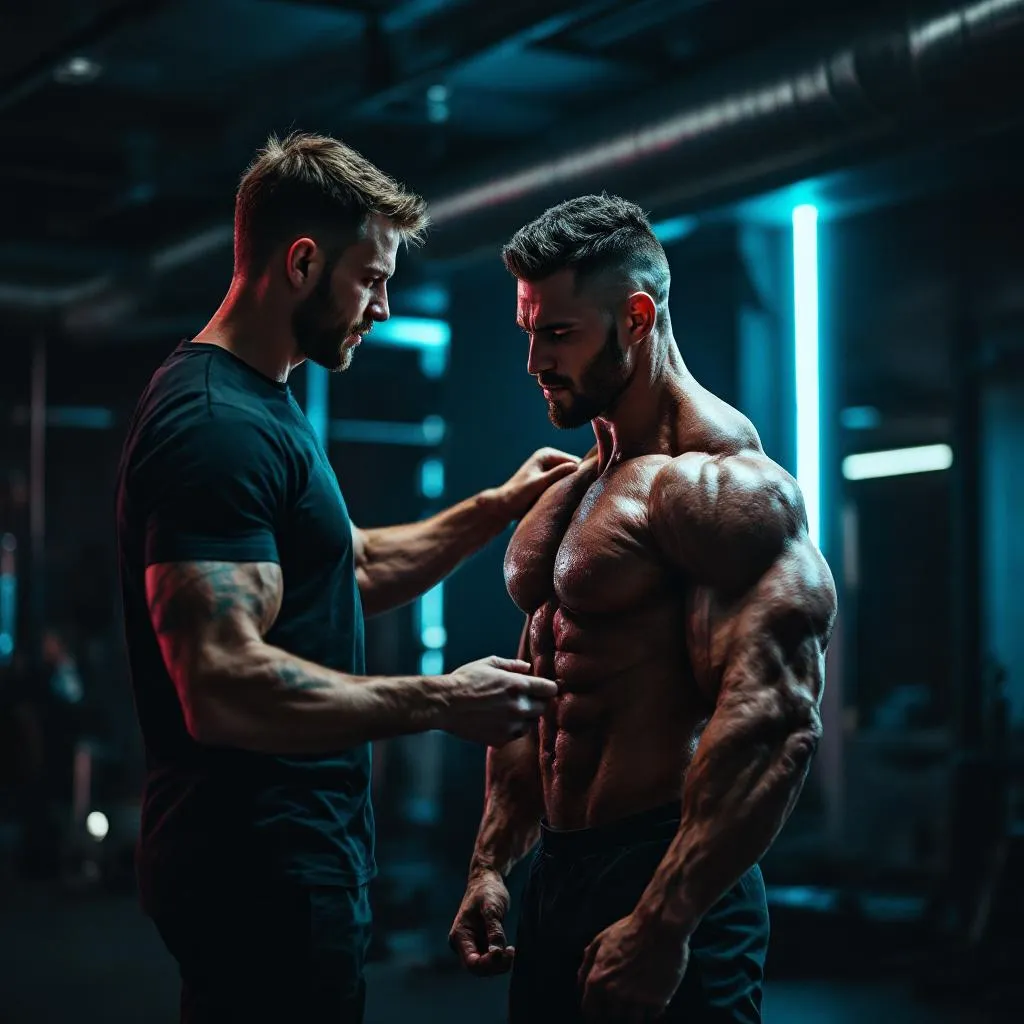
A personal trainer for bodybuilding is a resistance-training specialist whose entire practice is oriented around muscle hypertrophy, body composition, and physique development — distinct from a general personal trainer who programs for health, functional fitness, or weight loss. The difference is not cosmetic: the programming methodology, monitoring structure, nutritional involvement, and periodization approach are fundamentally different between the two roles.
The term "bodybuilding" here covers a wide spectrum: from someone who wants to build visible muscle and improve their body composition, to a competitive physique athlete preparing for a sanctioned show. What defines the specialization is the goal — deliberate, progressive muscle growth in targeted areas, tracked against measurable progress markers on a weekly basis.
This guide covers what distinguishes a bodybuilding personal trainer from a general PT, how to evaluate credentials and red flags, what the coaching process actually looks like, and how to find the right coach for your goals. For a deep dive into what bodybuilding coaches do day-to-day, read the companion guide on what a bodybuilding coach is.
Key Takeaways
- A bodybuilding personal trainer specialises in hypertrophy, body composition, and physique periodisation — requiring a distinct programming methodology and weekly check-in structure that general personal trainers do not use
- According to Schoenfeld (2010) in the Journal of Strength and Conditioning Research, the three primary mechanisms of muscle hypertrophy are mechanical tension, metabolic stress, and muscle damage — a bodybuilding PT programs to maximise all three simultaneously
- The ACSM 2009 Position Stand on Resistance Training establishes that hypertrophy-focused training requires 6–12 repetitions at 67–85% of one-repetition maximum with 60–90 second rest intervals — the specific parameters a bodybuilding PT will set and adjust each training block
- Helms et al. (2014) recommend protein intake of 2.3–3.1 g/kg lean body mass during contest prep to minimise lean mass loss in a caloric deficit — a specialised nutrition requirement few general PTs are equipped to manage
- Online bodybuilding coaching costs $100–$500/month — providing access to specialist coaches worldwide, real-time programme adjustments, and weekly check-ins without geographic constraints
How Is a Personal Trainer for Bodybuilding Different from a General PT?
A bodybuilding personal trainer focuses exclusively on muscle hypertrophy, body composition optimisation, and physique symmetry, using periodized programming and precise nutrition targets to achieve these goals. A general personal trainer addresses broader fitness objectives — strength, endurance, flexibility, or general weight loss — with session-based feedback rather than continuous body composition tracking.
The two most important differences are programming methodology and monitoring structure.
Programming methodology: A bodybuilding PT employs hypertrophy-first periodisation — systematically manipulating training volume, intensity, frequency, and exercise selection across blocks of 4–8 weeks to maximise muscle growth. The rep ranges, rest periods, exercise sequencing, and weekly set volumes are all calibrated against hypertrophy research. A general PT typically applies linear or functional programming aimed at broad fitness improvements, with less specificity around the volume and intensity parameters that drive hypertrophy.
Monitoring structure: Bodybuilding coaches run weekly check-ins: progress photos (front, side, back), daily bodyweight tracking, workout log review, and subjective wellbeing ratings. This data allows the coach to assess whether the client is progressing, plateauing, or recovering insufficiently — and adjust the programme accordingly. General personal trainers typically assess progress session-by-session, not week-by-week through a structured data pipeline.
| Feature | Bodybuilding Personal Trainer | General Personal Trainer |
|---|---|---|
| Programming focus | Muscle hypertrophy, body composition, physique symmetry | General fitness, strength, endurance, weight loss |
| Periodisation type | Hypertrophy-specific (volume, intensity, frequency cycles) | Linear, undulating, or functional |
| Check-in structure | Weekly photos, weight, workout logs, subjective metrics | Session-based feedback, occasional measurements |
| Nutrition involvement | Comprehensive macros, meal timing, prep-specific deficits | General dietary guidance |
| Session frequency | 0–2 in-person sessions; 3–6 programmed workouts/week | 1–3 in-person sessions per week |
| Monthly cost | $100–$500 online; $600–$2,400 in-person | $200–$800 in-person |
| Best for | Physique development, contest prep, advanced muscle building | General health, beginner fitness, functional performance |
It is worth noting that bodybuilding coaching is predominantly delivered online. This is an advantage for the athlete: it removes the geographic constraint and opens access to a global pool of specialist coaches whose expertise would otherwise be inaccessible locally.
What Qualifications Should a Personal Trainer for Bodybuilding Have?
A qualified bodybuilding personal trainer should hold a recognised exercise science certification, demonstrate specialist knowledge in hypertrophy and body composition, and ideally have practical experience — either competitive or through a substantial track record of client results.
Core certifications to look for:
- CSCS (Certified Strength and Conditioning Specialist, NSCA) — the gold standard for programming expertise. This credential requires a bachelor's degree in a related field and demonstrates a high level of exercise science knowledge.
- NASM-CPT or ACSM-CPT — foundational personal training certifications establishing baseline exercise physiology and client-safety knowledge.
- Nutrition certifications — Precision Nutrition Level 1 or ISSN-SNS if the coach is providing specific macronutrient and meal-timing guidance. Note that providing individualised medical nutrition therapy is the scope of a registered dietitian, not a PT — a good coach knows where the boundary is.
Competition experience: Coaches who have competed understand the physiology of peaking, water manipulation, and the intense psychological demands of contest prep in a way that classroom study alone cannot produce. That said, competition success does not automatically translate to coaching ability. The ability to adapt programming to individual client responses, communicate clearly, and teach good technique is distinct from performing those skills on one's own body.
Practical check: Ask any prospective coach to show client transformation photos covering 6–12 month coaching periods. Progress across extended timeframes is the meaningful signal — 12-week "before and after" photos can be cherry-picked and do not reflect a sustainable coaching process.
"A coach's job is not to show you what they can do with their own body — it's to show you what they can do with someone else's." — common principle in evidence-based coaching communities
Red flag: Any "coach" who cannot cite their certifications, cannot explain their periodisation approach, and has no verifiable client results should be filtered out immediately.
What Does Working with a Personal Trainer for Bodybuilding Look Like?
Working with a bodybuilding personal trainer is a structured, data-driven process — not a series of gym sessions. The coach designs and continuously adjusts the programme based on weekly check-in data; the athlete executes and reports.
The three training phases a bodybuilding PT will structure:
- Accumulation phase (off-season): High training volume, moderate-to-high rep ranges (8–20+), caloric surplus to support muscle protein synthesis. The goal is building the raw material — lean tissue — without accumulated fatigue.
- Intensification phase: Progressive load increases, tighter rep ranges (6–12), and growing specificity. This phase converts accumulated volume into strength and density.
- Competition prep / peak phase: Caloric deficit (500–1,000 kcal/day below maintenance), high protein maintained at 2.3–3.1 g/kg lean body mass (Helms et al. 2014), conditioning work added to drive fat loss while preserving lean mass. The final 1–2 weeks involve peaking protocols around carbohydrates, sodium, and water.
The weekly check-in structure: Athletes submit progress photos from three angles (front, side, back), their average daily bodyweight for the week, a complete training log (every set, rep, and load used), and a self-rated wellbeing score covering sleep quality, energy, and stress. A coach without this data pipeline is operating in the dark.
Programme delivery: Most serious bodybuilding coaches use a dedicated coaching platform rather than PDFs or shared spreadsheets. Platforms like IronCoaching's program builder allow athletes to log workouts directly, track PRs over time, and view their periodized programme in a single place — while coaches can adjust variables and communicate without switching between apps.
Nutrition: The best bodybuilding PTs either hold a nutrition certification or work with a registered dietitian for highly individualised dietary prescriptions. The caloric and macronutrient structures for an accumulation phase and a contest prep phase are dramatically different — a coach needs to navigate both competently.
How Do You Find a Personal Trainer for Bodybuilding?
Finding the right bodybuilding personal trainer requires filtering for specialisation, not just proximity or price. A generalist who dabbles in bodybuilding coaching is not the same as a specialist who has built their practice around it.
Four reliable routes:
- Online coaching marketplaces — The IronCoaching marketplace connects athletes with coaches who specialise in physique development and strength training. Coach profiles, client reviews, and transparent pricing are all visible before you commit.
- Referrals from competitive athletes — Talk to competitive physique athletes whose results you respect. Their coaches are already vetted by the most demanding type of client.
- Social media (Instagram / YouTube) — Coaches who regularly explain their programming decisions publicly — not just post their own physique — demonstrate a level of expertise worth evaluating. Educational content is a proxy for coaching knowledge.
- Competition circuit — Coaches present at natural or drug-tested bodybuilding shows have a serious stake in the sport. Attending a local show is a legitimate way to network with coaches whose athletes are already on stage.
What to assess in an initial consultation: A good coach asks about your training history, injury profile, lifestyle constraints, and specific goals before offering any programming recommendations. They should be able to explain why they would choose particular rep ranges, exercise selection, or progression models for someone at your starting point. If the first conversation is primarily about payment terms, that is a signal.
Red flags in the consultation stage: Promises of specific physical outcomes by a fixed date. Refusal to explain programming rationale. No structured check-in process mentioned. Immediate upsells on supplements or specific brands. These indicate a sales-oriented operation, not a coaching-oriented one.
How Much Does a Personal Trainer for Bodybuilding Cost?
A personal trainer for bodybuilding costs $75–$150 per session in-person, or $100–$500 per month for online coaching. Most experienced online physique coaches who offer comprehensive programming, weekly check-ins, and nutrition guidance charge $200–$400/month.
In-person bodybuilding coaching: $75–$150/session. At 2–4 sessions per week, this is $600–$2,400/month. This cost covers supervised training time — but not weekly check-in analysis, nutrition programming, or programme adjustments between sessions, which are usually additional.
Online bodybuilding coaching: $100–$500/month, with the $200–$400 range covering the full service (programme design, weekly check-ins, nutrition targets, and real-time adjustments). Online delivery is the dominant model for serious bodybuilding clients because it removes geographic constraints while providing more coaching contact than in-person sessions alone.
Contest prep packages: Often priced as a flat fee for the full prep cycle — $1,000–$3,000 for a 16–20 week prep — rather than a monthly rate. These packages include peak-week protocols, posing feedback, and sometimes backstage support.
| In-person Coaching | Online Coaching | |
|---|---|---|
| Monthly cost | $600–$2,400 | $100–$500 |
| Check-in frequency | Session-based | Weekly (photos, weight, log) |
| Geographic constraints | Local only | Worldwide |
| Programme adaptation | Session-by-session | Weekly based on body composition data |
| Nutrition included | Often separate | Usually included |
| Best for | Athletes who need hands-on technique correction | Experienced lifters focused on physique development |
What Programming Does a Personal Trainer for Bodybuilding Use?
A bodybuilding personal trainer programs to maximise the three primary hypertrophy mechanisms identified by Schoenfeld (2010): mechanical tension (produced by heavy compound lifts at controlled tempos), metabolic stress (produced by moderate-rep pump work with shorter rest periods), and muscle damage (produced by eccentric-emphasis exercises and novel movement patterns). Every programme variable — rep range, rest period, exercise selection, volume — is set in relation to these three mechanisms.
Weekly volume targets: A 2017 meta-analysis by Schoenfeld, Ogborn, and Krieger found that 10 sets or more per muscle group per week produced significantly greater hypertrophy than lower volumes. Most experienced bodybuilding coaches target 12–20 working sets per muscle group per week during accumulation phases, distributed across 2–3 sessions. The coach's job is to distribute this volume across the week without accumulating excessive fatigue.
Compound-to-isolation ratio: Roughly 60–70% compound movements (squat variations, hip hinge, horizontal and vertical press and pull) in accumulation phases, shifting toward more isolation work (cable crossovers, lateral raises, leg curls, preacher curls) in intensification and prep phases to target specific muscle regions and address weak points.
Progression mechanisms: Adding load is only one of several progressive overload tools a bodybuilding coach uses. Others include increasing reps within a target range before adding weight, adding working sets, reducing rest periods, incorporating intensity techniques (rest-pause sets, mechanical drop sets, myorep sets), and cycling exercise variations to introduce new mechanical stimuli. The full evidence base for periodization models is covered in the strength training periodization guide.
For a broader understanding of how resistance training principles underpin all bodybuilding programming, see the complete resistance training guide.
6 Red Flags When Hiring a Personal Trainer for Bodybuilding
- No verifiable certifications. A "coach" without a recognised certification has not demonstrated baseline exercise science knowledge and has no accountability structure.
- Specific physique promises by a fixed date. Legitimate bodybuilding coaches set expectations around effort and process, not guaranteed outcomes. Physique development involves variables outside a coach's control.
- Cannot explain their programming rationale. If a coach cannot tell you why they selected a particular rep range, exercise order, or progression model, they are following a template, not coaching.
- Same template for every client. Effective bodybuilding coaching requires adapting to the individual's response to training. If the programme never changes based on your check-in data, the check-in process is cosmetic.
- Immediate supplement or brand upsell. Financial incentives tied to product sales create a conflict of interest with unbiased coaching.
- No structured check-in process. A coach who does not collect weekly photos, training logs, and bodyweight data cannot detect plateaus or adjust programming in response to real progress.
Pro tip
A good bodybuilding coach is interested in your training history, recovery capacity, and realistic timeline — not in closing the sale. The quality of their first 10 questions tells you more about their coaching standard than any claim in their marketing.
How to Maximise Results With Your Bodybuilding Personal Trainer
The coaching relationship produces results in proportion to the quality of the data you provide. A coach adjusts what they can see.
Submit check-ins consistently and completely. The three-angle photo, daily bodyweight average, full training log, and subjective rating are not optional — they are the raw data from which the coach detects what is working. Inconsistent check-ins produce inconsistent adjustments.
Track every set and rep in training. Logging performance creates the trend data that reveals stagnating exercises, recovering muscle groups, and load progression rates. A coach reviewing your log at week 8 should be able to see exactly which exercises progressed, which plateaued, and what changed in recovery patterns.
Communicate anything unusual. An injury, a sustained run of poor sleep, a significant life stressor, an unusually hard week — these should reach your coach before the next check-in, not after you have trained through them for three weeks. Programming adjustments are most effective when they respond to real-time conditions, not retrospective data.
Set realistic timeline expectations. First visible changes in trained individuals: 8–12 weeks. Changes visible to others: 4–6 months of consistent training. Competition-ready physique development is typically a 1–3 year project from an intermediate starting point. Coaches who set realistic timelines are doing their job; clients who accept them are making the relationship productive.
Frequently Asked Questions
A personal trainer for bodybuilding is a certified fitness professional who specialises in muscle hypertrophy, body composition, and physique development. Unlike a general personal trainer who programs for broad fitness or health outcomes, a bodybuilding PT designs periodized programmes specifically to maximise muscle growth and fat loss in targeted areas, using weekly check-ins and data-driven adjustments to guide progress.
No, but working with a specialist coach significantly accelerates the process and reduces the risk of programming errors. Self-directed bodybuilding is possible with quality educational resources — see the resistance training guide and hypertrophy vs strength — but a coach provides personalised adjustments based on your specific response to training, which templates and apps cannot replicate.
The primary differences are programming methodology, monitoring structure, and nutrition involvement. A bodybuilding PT uses hypertrophy-specific periodisation, runs structured weekly check-ins with progress photos and training logs, and manages precise macronutrient targets across different training phases. A general PT typically focuses on broad fitness, provides session-based feedback, and offers less nutritional specificity.
Online bodybuilding coaches typically charge $100–$500/month, with most experienced coaches offering comprehensive programming and weekly check-ins in the $200–$400 range. In-person bodybuilding PT sessions cost $75–$150 per session. Contest prep packages are often priced as a flat fee of $1,000–$3,000 for a full 16–20 week prep cycle.
Yes — online bodybuilding coaching is the dominant model for this specialisation. It removes geographic constraints, typically costs significantly less than in-person coaching, and often provides more coaching contact through structured weekly check-ins. Most serious physique coaches deliver their programmes via dedicated coaching platforms that handle programme delivery, workout logging, and coach communication in one place.
The most reliable routes are online coaching marketplaces (like the IronCoaching marketplace), referrals from competitive physique athletes, and coaches who publish regular educational content on social media. Evaluate any coach against these criteria: verifiable certifications (CSCS, NASM-CPT, or ACSM-CPT), a structured check-in process, and documented client results across 6–12 month coaching periods.
Look for a Certified Strength and Conditioning Specialist (CSCS) from the NSCA as the gold standard for programming expertise. Foundational personal training certifications (NASM-CPT, ACSM-CPT) establish baseline safety and exercise physiology knowledge. Additional nutrition certifications (Precision Nutrition Level 1, ISSN-SNS) are valuable if the coach is providing detailed macronutrient guidance.
The first measurable changes in body composition (detectable on the scale and in photos) typically appear within 4–8 weeks with a new stimulus. Self-visible changes in muscle size and definition occur at 8–12 weeks. Changes visible to others usually require 4–6 months of consistent training and nutrition adherence. A competition-ready physique from an intermediate starting point is a 1–3 year development project.
Sources & References
- Schoenfeld BJ (2010) — The Mechanisms of Muscle Hypertrophy and Their Application to Resistance Training (Journal of Strength and Conditioning Research) — Evidence base for mechanical tension, metabolic stress, and muscle damage as primary hypertrophy drivers
- ACSM Position Stand (2009) — Progression Models in Resistance Training for Healthy Adults — Rep range and intensity parameters for hypertrophy-focused training
- Helms ER et al. (2014) — Evidence-based recommendations for natural bodybuilding contest preparation: nutrition and supplementation (Journal of the International Society of Sports Nutrition) — Protein targets during contest prep (2.3–3.1 g/kg LBM)
- Schoenfeld BJ, Ogborn D, Krieger JW (2017) — Dose-response relationship between weekly resistance training volume and increases in muscle mass (Journal of Sports Sciences) — Weekly volume targets for hypertrophy
- ACE Fitness — How to Choose a Personal Trainer — General guidance on evaluating personal trainer credentials