Bodybuilding coaching is one of the most specialized niches in fitness — and one of the fastest-growing for online coaches. Unlike general personal training, it focuses on hypertrophy, body composition, and physique development. The skill set is distinct: exercise science, nutrition planning, and the mental demands of competition prep all play a role. Whether you're a client seeking the right coach or a trainer thinking about this specialty, knowing what the work involves helps you set clear expectations.
This guide covers what bodybuilding coaches do, how online coaching compares to in-person, the path to becoming a coach, and the tools that help coaches manage clients at scale. For a broader look at the online coaching landscape, see our complete guide to online strength coaching.
Key Takeaways
- A bodybuilding coach specializes in hypertrophy programming, body composition tracking, and contest prep — distinct from general personal training
- Effective bodybuilding coaching requires periodizing volume across mesocycles using minimum effective volume (MEV) and maximum adaptive volume (MAV) frameworks
- Online bodybuilding coaching delivers equivalent outcomes to in-person for most clients — and allows coaches to scale beyond local geography
- Clients should verify credentials (NSCA-CSCS, NASM-CPT, ACE-CPT), competition experience, and check-in structure before committing to a coach
- Managing 10+ bodybuilding clients simultaneously requires dedicated software for programming, check-in data collection, and client communication
What Is a Bodybuilding Coach?
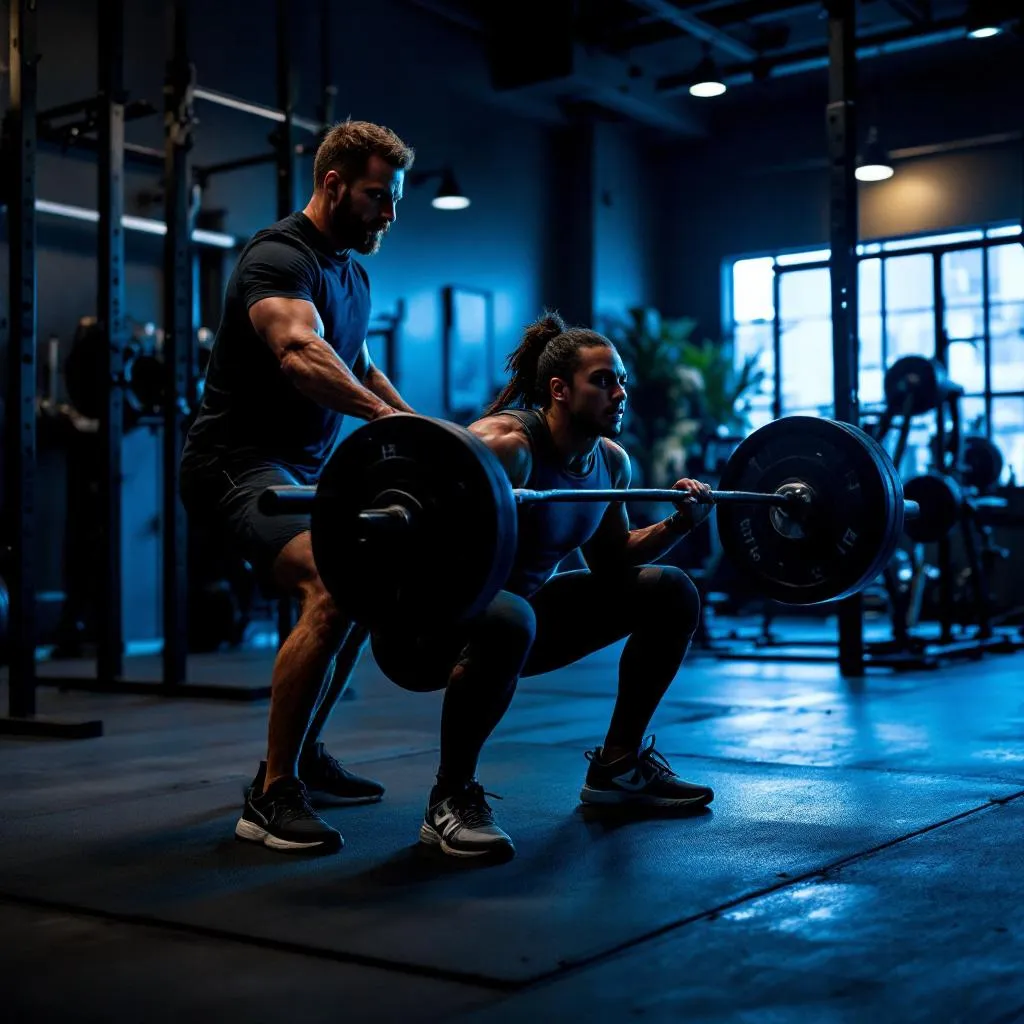
A bodybuilding coach is a certified fitness professional who designs training programs for muscle growth, physique development, and contest prep. Unlike exercise coaches or strength and conditioning coaches, bodybuilding coaches focus on a narrow set of goals. These include building lean mass, reducing body fat, and developing balanced muscle proportions — whether for competition or aesthetics.
The work goes well beyond writing training programs. Most bodybuilding coaches also manage nutrition plans or work with registered dietitians. They track body composition through weekly check-ins, review training videos for technique, and guide clients through the stress of peaking for a show. Coaches working with competitive athletes typically support three phases. First is the off-season hypertrophy block, where the goal is adding muscle without excess fat. Next comes competition prep — 12 to 20 weeks of a managed calorie deficit and conditioning work. Finally, there's the post-show recovery period, focused on reversing the physical stress of contest prep.
Bodybuilding is one of the more sustainable niches for online coaches. Physique clients are highly motivated. They follow detailed programs closely, submit check-in data on time, and stay with coaches longer than most general fitness clients. Weekly check-ins — rather than live sessions — fit naturally into remote delivery. This makes the specialty a strong match for online coaching platforms. Our Coach's Guide to Workout Program Design covers the core periodization principles behind effective bodybuilding programming.
What Does a Bodybuilding Coach Do?
A bodybuilding coach designs, monitors, and adjusts the full range of variables that drive physique development: training programs, body composition tracking, nutrition guidance, and recovery protocols. The day-to-day responsibilities split across these four functions.
Hypertrophy Program Design
The foundation of bodybuilding coaching is evidence-based hypertrophy programming. Coaches plan training in mesocycles — blocks of 4 to 8 weeks. Each block manages training volume based on what the client can recover from. A meta-analysis by Schoenfeld and Grgic in the Journal of Strength and Conditioning Research found a key result. Training each muscle group twice per week produces more growth than once per week, when total volume is the same. This finding shapes how most coaches structure training splits.
Volume landmarks give coaches a clear framework for loading clients. There are three key markers. MEV (minimum effective volume) is the least amount of training that still produces progress. MAV (maximum adaptive volume) is the sweet spot — the volume that drives the most growth with proper recovery. MRV (maximum recoverable volume) is the ceiling. Beyond it, fatigue builds faster than the body can adapt. Coaches ramp volume over a mesocycle, then deload before starting the next block higher. This approach, grounded in the NSCA's evidence-based position on resistance training periodization, beats random or flat volume planning over time.
The IronCoaching Program Builder lets coaches build hypertrophy templates with rep ranges, RIR targets, and volume landmarks per training block. It supports the kind of structured progression that physique coaches need.
Body Composition Tracking
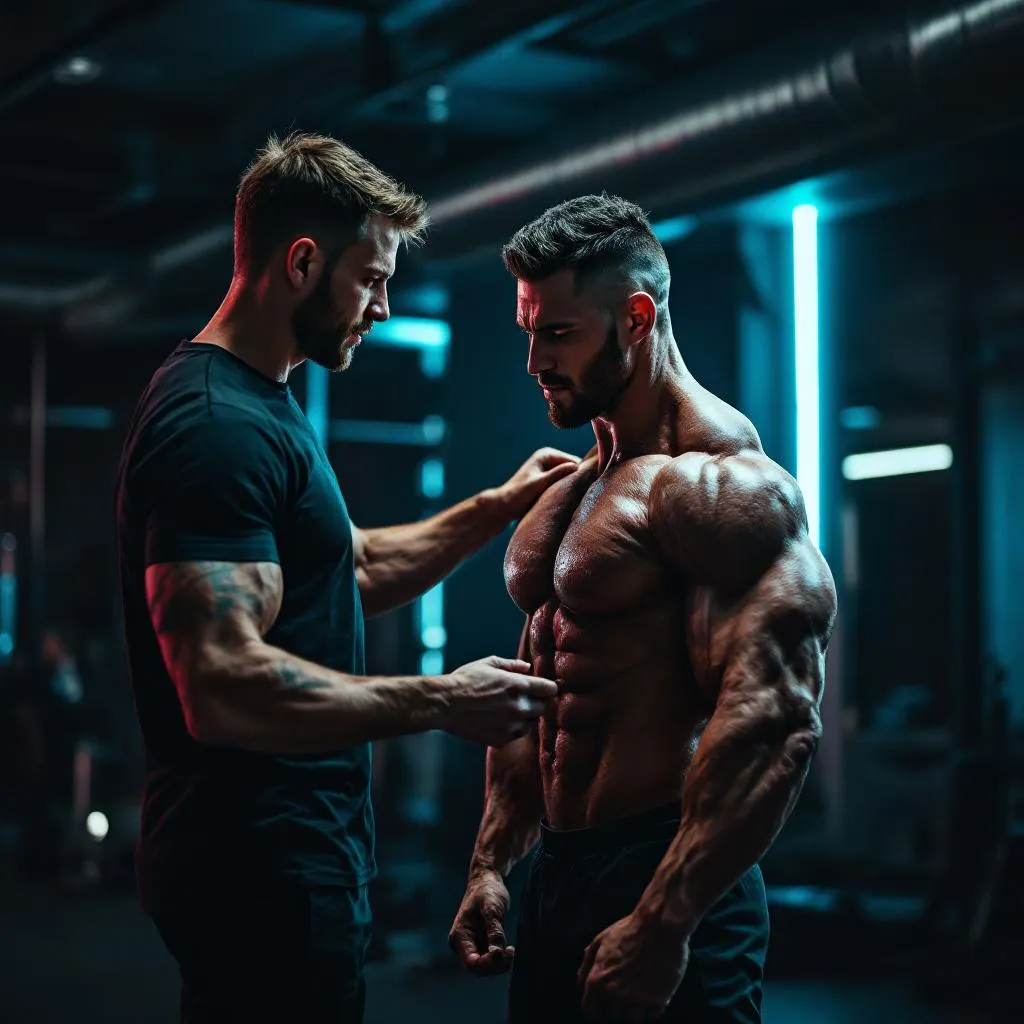
Coaches track physique progress using weekly weight trends, measurements, progress photos, and — for competitive clients — body fat tests. Weekly check-ins are the backbone of this process. Clients submit their 7-day average weight, photos from set angles, training compliance data, and notes on energy, sleep, and recovery. The coach reviews everything and adjusts calories, training volume, or cardio based on the trends.
Consistency matters more than frequency. Coaches should set clear check-in rules: same time of day for weigh-ins, same lighting and angles for photos, same measurement sites. This makes week-over-week comparisons meaningful. Without consistent data, pattern recognition breaks down — and that leads to wrong adjustments.
Contest Prep and Peak Week
For competitive bodybuilders, the 12 to 20 weeks before a show require a different coaching approach than the off-season. Contest prep means creating a calorie deficit deep enough to hit stage conditioning while losing as little muscle as possible. Coaches must balance three main variables: protein intake, training volume, and the rate of fat loss versus the risk of muscle breakdown.
Peak week — the 7 to 10 days right before competition — adds more moving parts. Water and sodium timing, carb loading, and training changes all aim to fill muscles with glycogen while showing the sharpest conditioning on stage. According to the American College of Sports Medicine's guidance on competition preparation, keeping protein high throughout the deficit is the best-supported way to preserve lean mass during hard contest prep.
People respond to peak week protocols very differently. That's why experienced prep coaches track how each athlete responds and adjust the plan between shows, rather than using a fixed template.
Ongoing Adjustments and Client Communication
Bodybuilding coaches don't write a program once and withdraw. They review check-in data weekly, troubleshoot stalls (Is this a volume issue? A nutrition adherence issue? A sleep or stress issue?), and adapt programs when life interrupts training schedules. The communication layer — response speed, clarity of feedback, and the ability to coach mindset alongside physique — determines long-term client retention as much as programming quality.
Coaches who build clear communication systems — defined check-in windows, response time commitments, structured feedback formats — spend less time managing communication overhead and more time applying their expertise.
Online vs In-Person Bodybuilding Coaching
Online bodybuilding coaching delivers results on par with in-person coaching for most clients. In many cases, it opens access to better coaches. Clients are no longer limited by location. Coaches can work with people who match their expertise, not just whoever lives nearby.
The format fits bodybuilding well. Physique clients already train on their own and check in weekly rather than attending daily sessions. That self-directed style maps naturally to remote delivery. The data coaches need — weight logs, photos, training numbers — is easy to submit online. Video technique review has closed the biggest gap in remote coaching.
Coaches delivering online strength coaching for physique clients typically handle 15 to 30 clients at once with structured check-in software. Without a system to organize data, track programs, and send feedback, that volume creates admin overload fast.
What Coaches Are Saying
Coaches who've moved from in-person to online bodybuilding coaching report strong results. Physique clients tend to be among the most engaged on their roster. They track their own nutrition, submit check-ins on time, and act on feedback without constant follow-up.
The most common concern is fixing technique remotely. Without watching a squat or pose in real time, form issues can linger longer than they would in person. Coaches solve this by requiring video submissions — key lifts filmed from set angles each week. Most find this a workable trade-off, not a deal-breaker.
Standardize your check-in format
Define exactly what clients submit each week: 7-day average weight, training compliance rate, progress photos from front, back, and side, and recovery notes. A consistent data format makes weekly trend analysis far more reliable than freeform updates, and it reduces the cognitive load of each check-in review.
How to Become a Bodybuilding Coach
Becoming a bodybuilding coach takes formal certification, hands-on experience with physique clients, and — ideally — personal competition experience. Most coaches follow a path through three areas: credentials, experience, and business setup.
Certifications and Credentials
The starting point is a nationally recognized personal training certification. The NSCA's CSCS (Certified Strength and Conditioning Specialist) is the top credential in the field. It requires a bachelor's degree in exercise science or a related field, plus a tough exam. For coaches without that degree, the NASM-CPT or ACE-CPT provide strong starting credentials.
Bodybuilding-specific add-ons — like NASM's Physique and Bodybuilding Coach (PBC) certification — cover contest prep, posing, and advanced nutrition planning. These aren't required, but they show depth to potential clients. Nutrition credentials (such as Precision Nutrition Level 1) are common for coaches who want to handle nutrition guidance themselves rather than referring to a dietitian.
CPR/AED certification is standard for any client-facing coach and should be maintained regardless of whether coaching happens in-person or online.
Competition Experience
No license requires personal competition history. But coaches who've competed — or supported a client through a full prep cycle — develop instincts that certification alone can't teach. They learn how energy, motivation, and hormones shift during a 16-week prep. They learn to read conditioning from photos. They see how different bodies respond to peak week protocols. That knowledge comes from direct experience.
Coaches without competition experience can close part of this gap. Options include shadowing an established prep coach for a full season, working closely with sports dietitians, and carefully tracking client outcomes across multiple prep cycles.
Building Your Coaching Practice
Once credentialed, coaches usually build a local client base first — through the gym, word of mouth, or social media. The move to online coaching means setting up a platform, defining service packages, setting prices that reflect the depth of prep work, and building a check-in system. For step-by-step help with this transition, our post on how to start an online coaching business covers service structure, pricing, and client onboarding.
What to Look for in a Bodybuilding Coach
Clients selecting a bodybuilding coach should evaluate credentials, methodology, and communication systems — not just social media aesthetics or follower counts. The best-looking coach on Instagram is not necessarily the most qualified coach for your goals.
Credentials first: Confirm that the coach holds a nationally recognized certification. Bodybuilding coaching is unregulated, which means credentials are a minimum quality filter rather than a guarantee. NSCA-CSCS, NASM-CPT, and ACE-CPT are the most widely recognized. Ask directly if they can't be verified online.
Methodology transparency: Ask what evidence guides their volume and frequency choices. Coaches grounded in current research — Schoenfeld's hypertrophy work, volume landmarks, NSCA guidelines — tend to deliver more consistent results. Coaches who rely mainly on personal experience or anecdote are harder to trust.
Check-in structure: Find out what the weekly check-in process looks like. Good coaches define what clients submit, how fast they respond, and what triggers a program change. Vague answers here may signal weak systems.
Relevant experience: Look for a coach who has worked with athletes at your level and with similar goals. They will be better prepared for your specific challenges than one focused on a different area.
Tools Bodybuilding Coaches Use
Professional bodybuilding coaches rely on a core technology stack for programming, client data management, and communication — particularly when working with multiple clients online simultaneously.
Coaching platforms are the hub for program delivery and check-in tracking. The best ones support hypertrophy-specific features: rep ranges, RIR targets, and set/rep progression across training blocks. The IronCoaching Program Builder offers the depth physique coaches need — block templates, overload tracking, and client-facing delivery in one workflow.
Client management software pulls weekly check-in data — weight trends, measurements, photos, compliance — into a format that makes comparison easy. Coaches with 10 or more clients cannot track this in spreadsheets or email. A structured client management system turns raw data into trends that guide better coaching choices.
Video feedback tools make technique correction possible for fully remote coaching. Clients record key lifts from set angles. Coaches review and send feedback on their own time. For bodybuilding coaches, this also covers posing practice for competitive clients before a show.
For the training methods behind strong hypertrophy coaching, our post on progressive overload training programs covers five overload strategies coaches should use across training blocks — whether or not competition prep is involved.
Bodybuilding Coaching Types and Services — Summary
| Coach Type | Primary Focus | Clients Best Served | Typical Format | Essential Tools |
|---|---|---|---|---|
| Competition prep coach | Contest conditioning, peak week | Competitive bodybuilders | Online or in-person | Check-in system, nutrition tracking |
| Hypertrophy specialist | Muscle building, body recomposition | Intermediate–advanced lifters | Online or hybrid | Program builder, progress photos |
| Online physique coach | Remote programming + check-ins | Self-motivated athletes | Online only | Coaching platform, video feedback |
| Bodybuilding personal trainer | In-person sessions + programming | Beginners to intermediate | In-person | Session tracker, programming tool |
| Full-service nutrition + training coach | Programming plus macro coaching | Clients wanting all-in-one service | Online or in-person | Nutrition tracker, program builder |
Frequently Asked Questions
A personal trainer covers a broad range of fitness goals — weight loss, athletic performance, general conditioning, and muscle building. A bodybuilding coach specializes specifically in hypertrophy programming, body composition management, and physique development, with deeper expertise in volume periodization, contest prep protocols, and the physiological demands of competitive bodybuilding. The distinction matters for clients whose goals are specifically physique-oriented.
No — many athletes build significant muscle mass independently with self-directed programming. A bodybuilding coach provides structured hypertrophy programming, consistent accountability, and objective external feedback that most self-coached athletes lack. The primary value is removing guesswork from volume management, nutrition adjustments, and plateau troubleshooting. For clients serious about maximizing muscle development or competing, the guidance typically accelerates results meaningfully.
Online bodybuilding coaching typically ranges from $100–$500 per month depending on the coach's experience level, service depth (weekly vs biweekly check-ins), and whether nutrition coaching is included. In-person coaching is higher due to session time. Competition prep packages — covering a full 16-20 week contest prep — often run $300–$800 per month for the duration of the prep period.
At minimum, a nationally recognized personal training certification: NSCA-CSCS (highest credential, requires an exercise science degree), NASM-CPT, or ACE-CPT. Bodybuilding-specific specializations from NASM add credibility in the physique space. Nutrition credentials (Precision Nutrition Level 1, for example) are common additions for coaches managing nutrition guidance. CPR/AED certification should be standard for any client-facing coaching practice.
Weekly check-ins are the standard for serious physique coaching. A typical check-in involves submitting a 7-day average weight, weekly training compliance data, progress photos from standard angles, and notes on recovery or life stressors. The coach reviews the data set and sends back adjustments before the next training week begins. Biweekly check-ins are too infrequent to catch and correct meaningful deviations in nutrition or training compliance before they compound.
Yes — the majority of competitive and recreational bodybuilding coaching relationships are fully remote. Programs are delivered digitally, check-ins happen weekly via a coaching platform, and technique feedback is provided through structured video submissions. Online delivery eliminates geographic limitations and allows athletes to work with coaches who specialize in their goals regardless of location.
Most clients see measurable strength increases and body composition shifts within 4-8 weeks of consistent training with proper programming and nutrition adherence. Significant physique changes — visible muscle gain, meaningful fat loss — typically require 3-6 months of consistent effort. Competitive bodybuilders preparing for a show require 12-20 weeks of dedicated prep, with the timeline depending on the starting body composition and the target competition date.
Sources & References
- Schoenfeld BJ, Grgic J — "How Many Times per Week Should a Muscle Be Trained to Maximize Muscle Hypertrophy?" — Journal of Strength and Conditioning Research (2018)
- NSCA — Evidence-based position statements on resistance training periodization for competitive athletes (2024)
- NASM — Certified Personal Trainer and Physique & Bodybuilding Coach certification scope of practice (2025)
- American College of Sports Medicine — Position stand on resistance exercise prescription: volume, frequency, and progression (2024)
- ACE Fitness — Principles of hypertrophy training and periodization for physique athletes (2024)