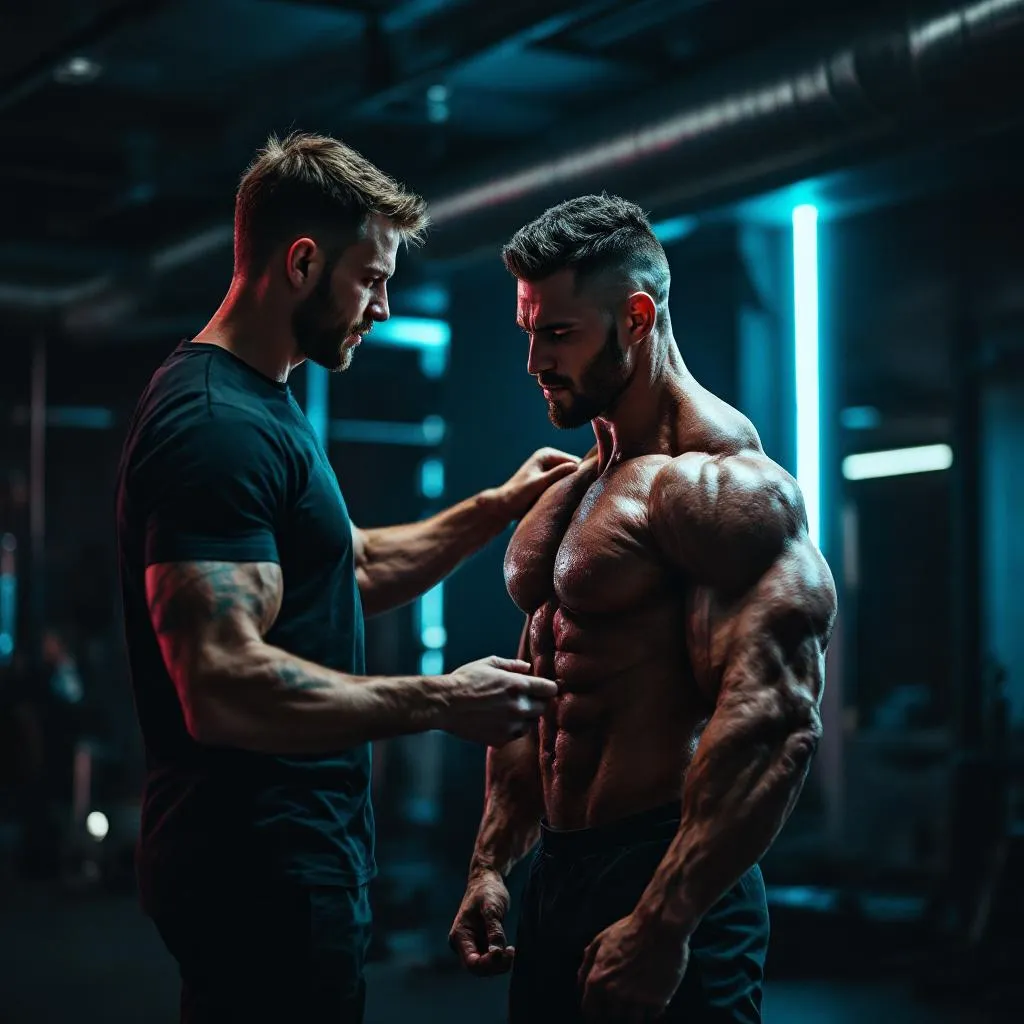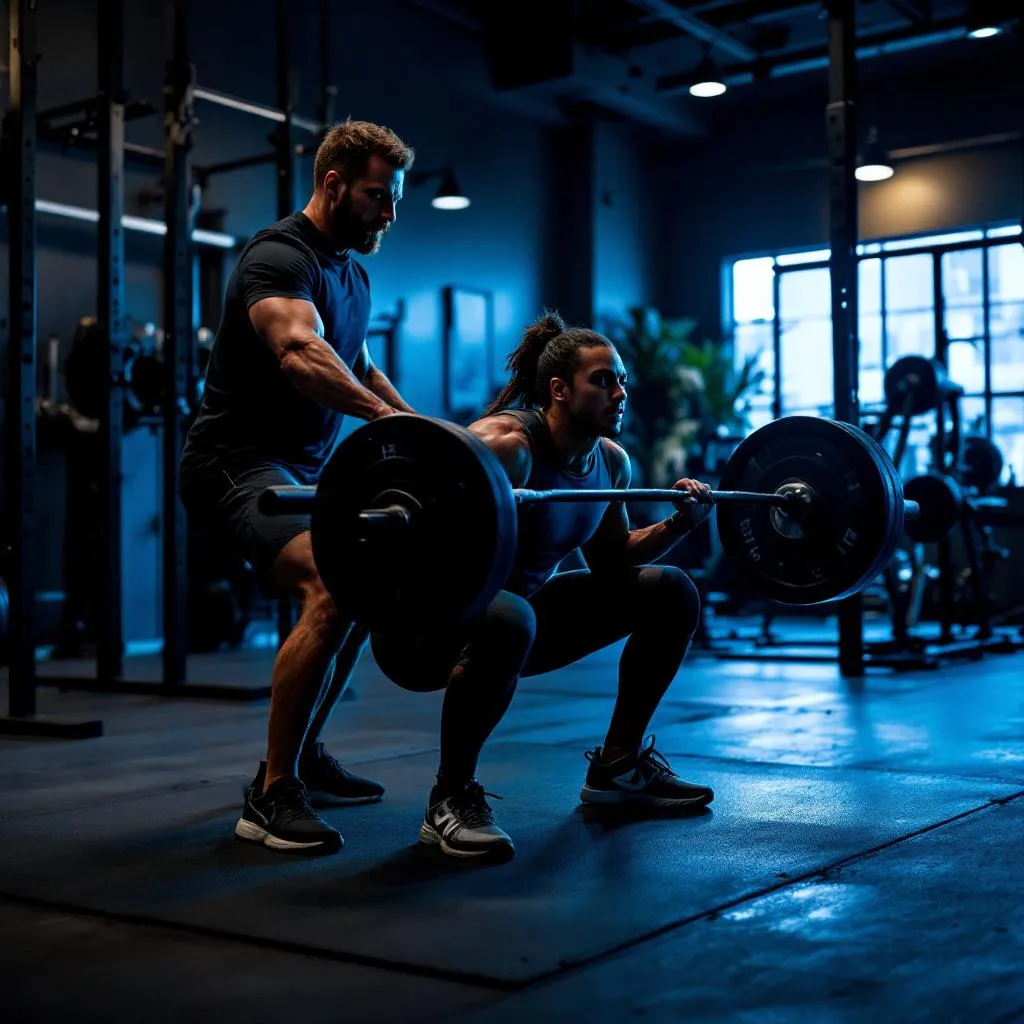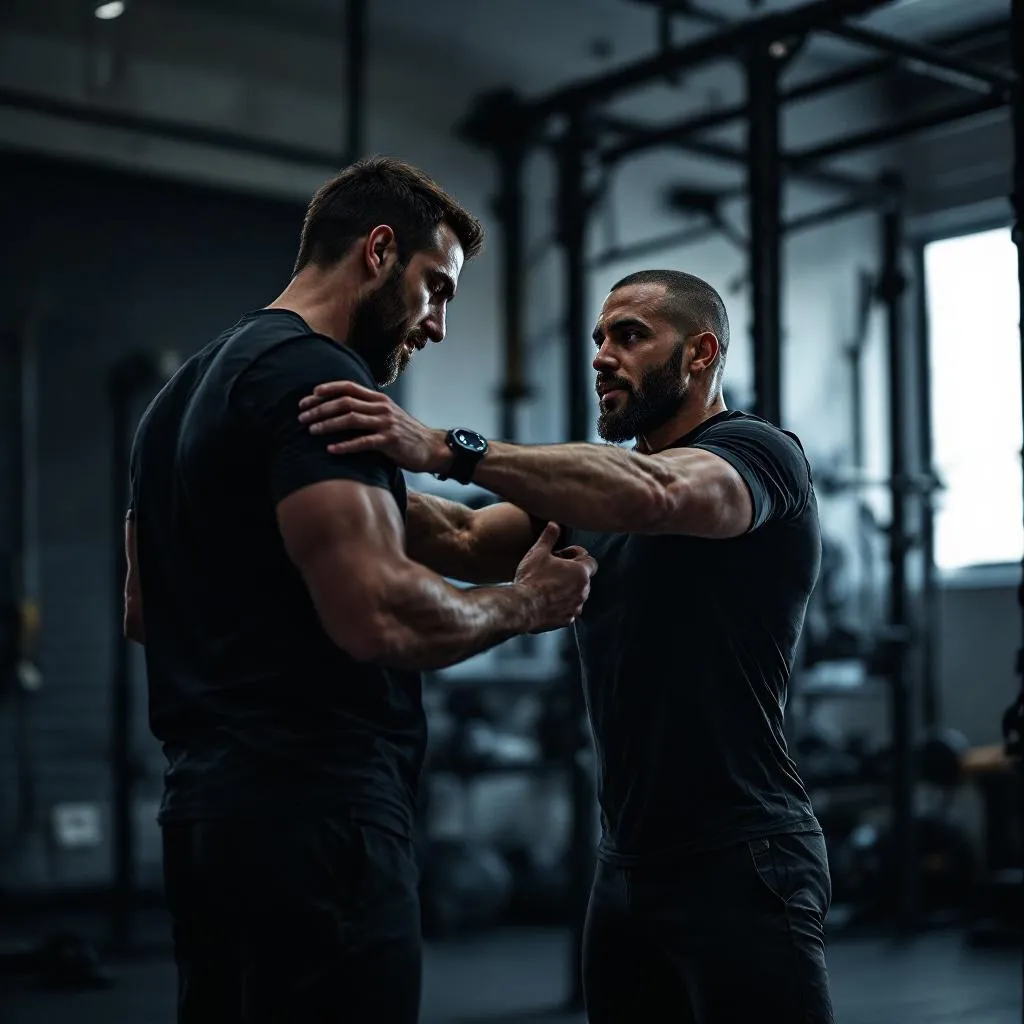
A strength and conditioning coach is a sport-science professional who designs and oversees physical training programs to improve athletic performance and reduce injury risk. Unlike a general personal trainer, an S&C coach operates from an athlete-development framework — managing training loads, testing fitness qualities, and adjusting programming in response to competitive schedules and performance data.
Key Takeaways
- Strength and conditioning coaches differ from personal trainers by focusing on sport-specific performance outcomes, not general fitness goals
- The NSCA Certified Strength and Conditioning Specialist (CSCS) is the most recognized credential in the field and requires a bachelor's degree
- S&C coaches work across collegiate athletics, professional sports, military, private facilities, and online coaching businesses
- Core daily responsibilities include program design, athlete testing, load monitoring, and coordination with sports medicine staff
- Modern S&C coaches rely on program-builder software and analytics tools to manage multiple athletes efficiently
What Is a Strength and Conditioning Coach?
A strength and conditioning coach is a trained professional who applies exercise science principles to improve athletic performance. Their work centers on physical preparation — building strength, power, speed, and endurance — rather than general health or aesthetics. S&C coaches design periodized training blocks, assess athletes' physical capacities, and monitor workload to keep athletes performing at their peak without accumulating damaging fatigue.
S&C coaches occupy a distinct role in the sports performance ecosystem. A personal trainer typically works one-on-one with general-population clients toward body composition or health goals. A fitness coach may focus on broader lifestyle changes. The S&C coach, by contrast, is embedded in an athlete's competitive calendar — programming around game schedules, peaking athletes for championships, and coordinating with physiotherapists and sports medicine staff to manage injury history and return-to-play protocols.
The National Strength and Conditioning Association (NSCA) defines the S&C coach's primary function as applying knowledge of exercise science to enhance athletic performance and reduce sport-related injury. Founded in 1978, the NSCA remains the premier professional body setting education and certification standards for the field globally.
What Does a Strength and Conditioning Coach Do?
The day-to-day work of a strength and conditioning coach spans four core areas: program design, athlete assessment, load monitoring, and interdisciplinary coordination. Each is essential to translating exercise science theory into measurable performance gains on the field or platform.
Program Design and Periodization
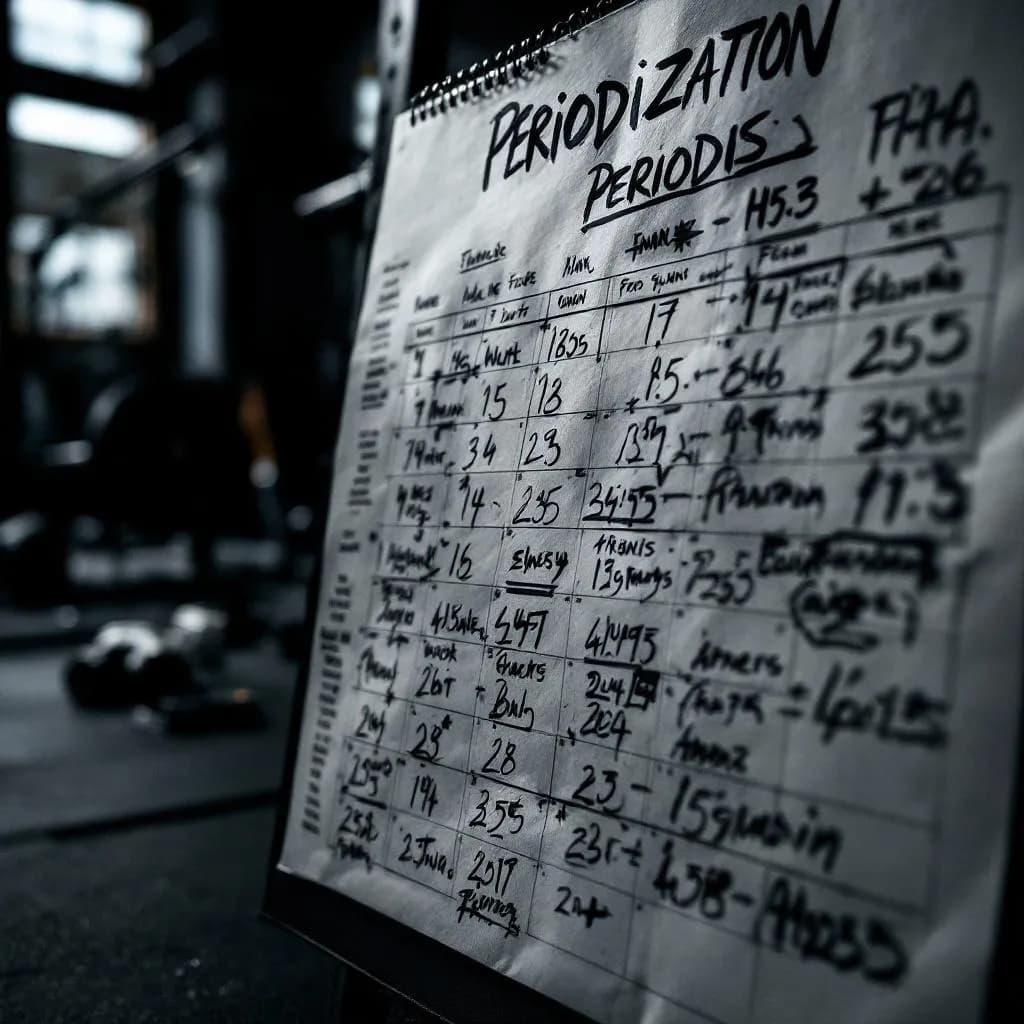
Program design is the foundation of the role. S&C coaches build strength and conditioning programs using periodization frameworks — organizing training into blocks that progressively develop different physical qualities. A coach working with a football team might run a 16-week offseason block: general preparation (4 weeks), strength accumulation (6 weeks), power conversion (4 weeks), and competition preparation (2 weeks). Each block has specific volume, intensity, and exercise selection targets. For a detailed guide on how these phases map to the annual sport calendar — including in-season volume management, sport-specific exercise selection by sport type, and strength-to-bodyweight benchmarks for athletes — see the athlete strength training programming guide.
Effective program design requires fluency in strength training periodization, exercise selection, rep and set schemes, and how to sequence training stimuli across days and weeks to maximize adaptation without overreaching. For a full breakdown of program design principles, the Coach's Guide to Workout Program Design covers foundational frameworks in depth.
Athlete Assessment and Testing
Assessment tells the coach where an athlete starts and whether the program is working. Standard testing batteries include 1RM strength tests (squat, bench, deadlift, power clean), sprint testing (10m, 40-yard), vertical jump (countermovement jump, broad jump), and aerobic capacity measures. Test data establishes baselines, identifies weaknesses, and benchmarks progress across training blocks.
Many S&C coaches also conduct movement screening to identify asymmetries or mobility restrictions that raise injury risk. This isn't medical diagnosis — it's pattern recognition that informs exercise selection and flags athletes for referral to sports medicine.
Load Monitoring and Performance Data
Load monitoring is one of the fastest-evolving areas of S&C practice. Coaches track both external load (sets, reps, weight lifted, distance covered) and internal load (perceived effort, heart rate, sleep quality) to understand how athletes are adapting to training stress. The Journal of Strength and Conditioning Research has published extensive research showing that well-managed load progression is one of the strongest predictors of injury reduction in team sports.
Tools like session RPE (sRPE) — a validated method where athletes rate the overall effort of a session on a 1–10 scale, multiplied by session duration for a training load score — give coaches a simple, athlete-reported picture of cumulative fatigue. This data integrates into weekly and monthly load reports that guide programming decisions.
Coordination with Sports Medicine
S&C coaches don't work in isolation. In professional and collegiate settings, they're part of a performance team that includes sports medicine doctors, physiotherapists, sports psychologists, and nutritionists. Clear communication channels ensure that a physio's return-to-play timeline for a hamstring strain translates into appropriate load modifications in the weight room, not conflicting instructions to the athlete.
For coaches running online strength coaching businesses, this coordination happens through shared notes, check-in forms, and messaging — often within the same coaching platform.
Load monitoring made simple
Start with session RPE: ask each athlete to rate session difficulty (1–10) right after training, then multiply by session minutes. Tracking this weekly load score over time flags accumulation spikes before they become injuries.
Core Skills Every Strength and Conditioning Coach Needs
Effective S&C coaches combine technical exercise science knowledge with the interpersonal skills needed to motivate athletes and collaborate across a performance team. Four skill clusters separate good coaches from great ones.
Exercise Science Foundation
The NSCA requires CSCS candidates to demonstrate mastery of exercise science: anatomy and physiology, biomechanics, energy systems, and how training stimuli drive adaptation. This isn't just exam knowledge — it directly informs why a coach programs Romanian deadlifts before back squats in a session, or why they use tempo manipulation to build tissue tolerance in early off-season blocks.
Understanding how different rep ranges, tempos, and rest periods drive distinct adaptations (hypertrophy, maximal strength, power, muscular endurance) allows an S&C coach to select the right tool for each training goal. The ACSM Physical Activity Guidelines provide foundational evidence for the training volumes and intensities that produce measurable health and performance improvements.
Programming and Periodization
Programming is the applied output of exercise science knowledge. The best S&C coaches can build training plans from scratch for individual athletes or whole squads, adjust on the fly when competitions get reshuffled, and explain their reasoning clearly to coaches and athletes who want to understand the "why." Mastery of linear, undulating, and block periodization models — and knowing when to use each — is a core differentiator.
Using a purpose-built program builder lets coaches template these structures and replicate them across athletes with individual adjustments, rather than rebuilding programs from scratch each block.
Athlete Communication
Technical expertise counts for nothing if athletes don't buy in. S&C coaches need to communicate the purpose behind every training decision — why this week is lower volume, why the exercise changed, why rest days are non-negotiable before competition. Athletes who understand the rationale train more consistently and report effort more accurately.
This is especially true for coaches managing sports performance coaching businesses online, where in-person demonstration and real-time feedback aren't available. Clear written cues, video breakdowns, and structured check-ins replace floor coaching — and they require deliberate communication design.
Data Analysis and Load Management
Modern S&C coaching is increasingly data-driven. Coaches who can interpret force plate outputs, session RPE trends, HRV data, and training monotony/strain indices are better equipped to prevent overtraining and optimize performance timing. Training monotony measures how repetitive the weekly load pattern is — low variation signals higher injury risk. Strain is monotony multiplied by total weekly load, a metric established by Foster et al. that flags when cumulative stress is outpacing an athlete's capacity to recover.
The analytics layer doesn't require a sophisticated platform to get started — even a simple spreadsheet tracking weekly load, acute:chronic workload ratios, and athlete-reported readiness can reveal patterns that prevent injury. But as athlete rosters grow, a dedicated analytics dashboard becomes essential to managing data across 20, 30, or 50 athletes simultaneously.
Certifications and Qualifications
The NSCA Certified Strength and Conditioning Specialist (CSCS) is the gold standard credential for S&C coaches. Other certifications exist, but the CSCS is the most widely recognized by athletic departments, professional sports organizations, and employers in the field.
NSCA CSCS — The Industry Standard
The CSCS certification from the NSCA requires candidates to hold a bachelor's degree (or be in their final semester of an undergraduate program) in any field, though most successful candidates study exercise science, kinesiology, or a related discipline. The exam covers scientific foundations (exercise science, nutrition) and practical/applied sections (exercise technique, program design, testing and evaluation, organization and administration).
The CSCS is recognized internationally and is frequently listed as a required or preferred qualification in collegiate athletic department job postings, professional sports team hiring, and high-performance sport positions. For a complete guide to the CSCS exam — including prerequisites, study strategy, cost breakdown, and salary data — see our CSCS Certification Guide.
Start with the CSCS
If you're targeting a career in strength and conditioning, the CSCS should be your first advanced credential — not an afterthought. Most collegiate and professional hiring managers filter applicants by CSCS status before reviewing resumes.
Other Recognized Certifications
Several other credentials are respected within the field:
- CSCCA (Collegiate Strength and Conditioning Coaches Association) — the SCCC certification is highly regarded specifically in NCAA collegiate settings
- NSCA CSPS (Certified Special Populations Specialist) — relevant for coaches working with clinical or adaptive populations
- USAW (USA Weightlifting) — valuable for coaches who use Olympic lifting as a primary training tool
- NASM CPT / ACSM CPT — general fitness certifications; respected but not equivalent to CSCS in high-performance contexts
For a full comparison of costs, prerequisites, and exam formats across all major S&C credentials, see our strength and conditioning certification guide.
Education Requirements
A bachelor's degree is required for the CSCS. Many working S&C coaches hold degrees in exercise science, kinesiology, human performance, or sports science. Graduate degrees (MS, PhD) are increasingly common in elite and research-adjacent roles, particularly at universities where coaches may also teach or conduct research.
For coaches entering the field, internships at collegiate programs or with established private facilities provide practical hours that no classroom delivers. The NSCA's job board and conference network are the primary entry points to the internship pipeline. For a step-by-step walkthrough of the full career path — from choosing a degree to landing your first role — see our guide on how to become a strength and conditioning coach.
How Much Does a Strength and Conditioning Coach Make?
Salary for strength and conditioning coaches varies significantly by setting, from entry-level collegiate roles to high-six-figure positions at professional franchises. According to the U.S. Bureau of Labor Statistics, the broader fitness trainer and instructor category had a median annual wage of approximately $45,470 in 2023, with the top 10% earning above $80,000.
S&C coaches in dedicated performance roles — particularly at Division I programs and professional sports — can significantly exceed these figures. Entry-level collegiate positions typically start in the $35,000–$50,000 range, while head strength and conditioning coaches at Power Five universities and professional teams commonly earn $100,000–$300,000+.
Private and online coaching offers a different income model: coaches building their own client base can earn more per hour than institutional roles, with top online S&C coaching businesses generating well above the institutional median. The trade-off is business development responsibility — lead generation, client retention, and operations that institutional roles don't require.
Salary by Setting
| Setting | Typical Salary Range | Employment Type |
|---|---|---|
| Entry-level collegiate (D2/D3) | $32,000–$50,000 | Employed |
| Mid-level collegiate (D1) | $50,000–$90,000 | Employed |
| Head S&C — Power Five / Pro | $100,000–$300,000+ | Employed |
| Private performance facility | $45,000–$80,000 | Employed or contract |
| Online coaching business | $40,000–$150,000+ | Self-employed |
Tools Strength and Conditioning Coaches Use
The modern S&C coach's toolkit has expanded well beyond clipboards and spreadsheets. Purpose-built software now covers program design, athlete tracking, communication, and analytics — reducing administrative friction and improving data quality.
Program Design Software
Template-based program builders allow coaches to design a training block once and deploy it to multiple athletes with individual adjustments. This is particularly valuable for coaches managing squads of 20–50 athletes. A good program builder includes exercise libraries with cue notes, set/rep/load tracking, and the ability to modify individual athlete parameters without rebuilding the whole program.
Athlete Tracking and Analytics
Performance data is only useful if it's organized and comparable. Platforms that aggregate session RPE, strength test results, and subjective wellness scores into visual dashboards help coaches spot trends — who's accumulating excessive load, who's been consistently under-recovering, which athletes are trending toward a personal record and can be pushed this week.
IronCoaching's analytics dashboard gives coaches a centralized view of all athlete data, flagging outliers and generating weekly load summaries automatically.
Communication and Check-In Tools
Asynchronous check-ins — athletes submitting RPE scores, sleep ratings, and soreness notes after each session — give coaches a continuous data stream without requiring phone calls or texts. Structured check-ins through messaging tools create a timestamped record of athlete responses that informs weekly program adjustments.
S&C Coach vs Personal Trainer vs Fitness Coach: At a Glance
Coaches and clients often conflate these roles. The distinctions matter — particularly when hiring for performance contexts.
| Role | Primary Focus | Typical Client | Core Method | Key Credential |
|---|---|---|---|---|
| Strength & Conditioning Coach | Athletic performance | Athletes / sports teams | Periodized programming | NSCA CSCS |
| Personal Trainer | General fitness / health | General population | Goal-based training | NASM CPT, ACE CPT |
| Fitness Coach | Lifestyle & wellness | General population | Behavior change + exercise | Varies widely |
| Bodybuilding Coach | Physique development | Competitive bodybuilders | Hypertrophy + peak week | Varies; CSCS valuable |
| Exercise Coach | Broad population fitness | Adults of all fitness levels | Movement quality + conditioning | NSCA, ACSM |
The S&C coach sits firmly in the performance end of the spectrum. If you're working with athletes competing in sport — whether that's high school, collegiate, or professional — an S&C coach with CSCS credentials is the appropriate professional to design and oversee their physical preparation.
Frequently Asked Questions
A strength and conditioning coach is a sport-science professional who designs periodized training programs to improve athletic performance and reduce injury risk. Unlike a personal trainer, they work within an athlete's competitive calendar — managing load, testing fitness qualities, and coordinating with sports medicine staff.
The NSCA Certified Strength and Conditioning Specialist (CSCS) is the most recognized credential in the field. It requires a bachelor's degree and a passing score on two exam sections covering exercise science and applied programming. The CSCCA's SCCC certification is also highly respected in collegiate settings.
According to the U.S. Bureau of Labor Statistics, fitness trainers and instructors earned a median of approximately $45,470 in 2023. Dedicated S&C coaches in collegiate and professional sports typically earn $50,000–$300,000+ depending on setting, with head positions at Power Five or professional franchises at the top end.
A typical day includes programming updates, athlete testing or training sessions, reviewing load monitoring data (session RPE, wellness scores), and communicating with sports medicine staff about any injury management adjustments. Online coaches also spend time on check-in reviews, video feedback, and client messaging.
The primary difference is focus: a strength and conditioning coach designs performance-oriented programs aligned with athletic competition demands, while a personal trainer typically works toward general health, body composition, or fitness goals. S&C coaches also usually require higher academic credentials and work within multi-disciplinary performance teams.
Yes — the NSCA CSCS requires a bachelor's degree. Most S&C coaches study exercise science, kinesiology, or human performance. Graduate degrees are increasingly common at elite levels. Internships at established programs are essential for gaining practical experience alongside formal education.
Most coaches use a combination of standardized testing (1RM, sprint, jump), session RPE tracking, and athlete wellness check-ins. Platforms with built-in analytics dashboards aggregate this data across an entire squad, making it easier to identify load spikes, readiness trends, and performance improvements over time.
Sources & References
- NSCA — Certified Strength and Conditioning Specialist (CSCS) — Requirements, exam structure, and eligibility criteria for the CSCS credential (2025)
- U.S. Bureau of Labor Statistics — Fitness Trainers and Instructors — Median annual wage of $45,470 (2023); 14% projected employment growth through 2033
- Journal of Strength and Conditioning Research — Peer-reviewed research on load monitoring, periodization, and injury reduction in athlete populations (ongoing)
- ACSM Physical Activity Guidelines — Evidence-based recommendations on training volume and intensity for performance and health outcomes (2024)